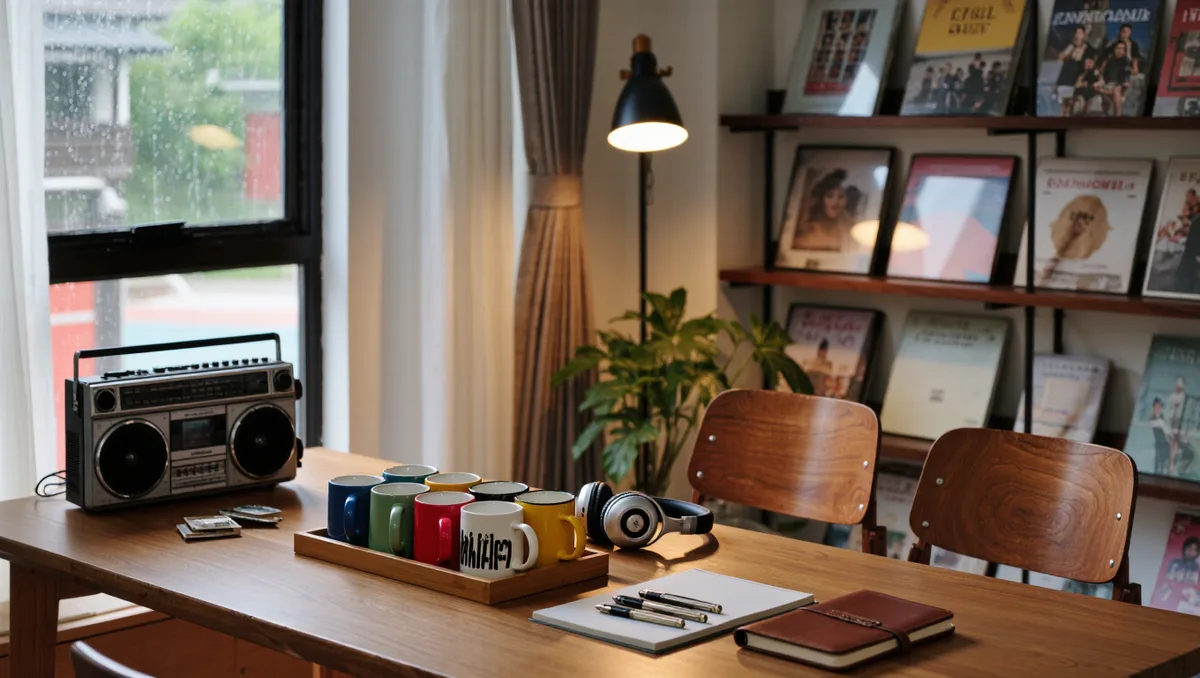
Music that moves: why Culture Club still packs the dance floor
Some bands outgrow their decade and become portable — a sound a traveler can carry from a Lisbon bar to a Hanoi rooftop.
Language, religion, craft traditions, music and etiquette explained by the people who practice them.
Some bands outgrow their decade and become portable — a sound a traveler can carry from a Lisbon bar to a Hanoi rooftop.
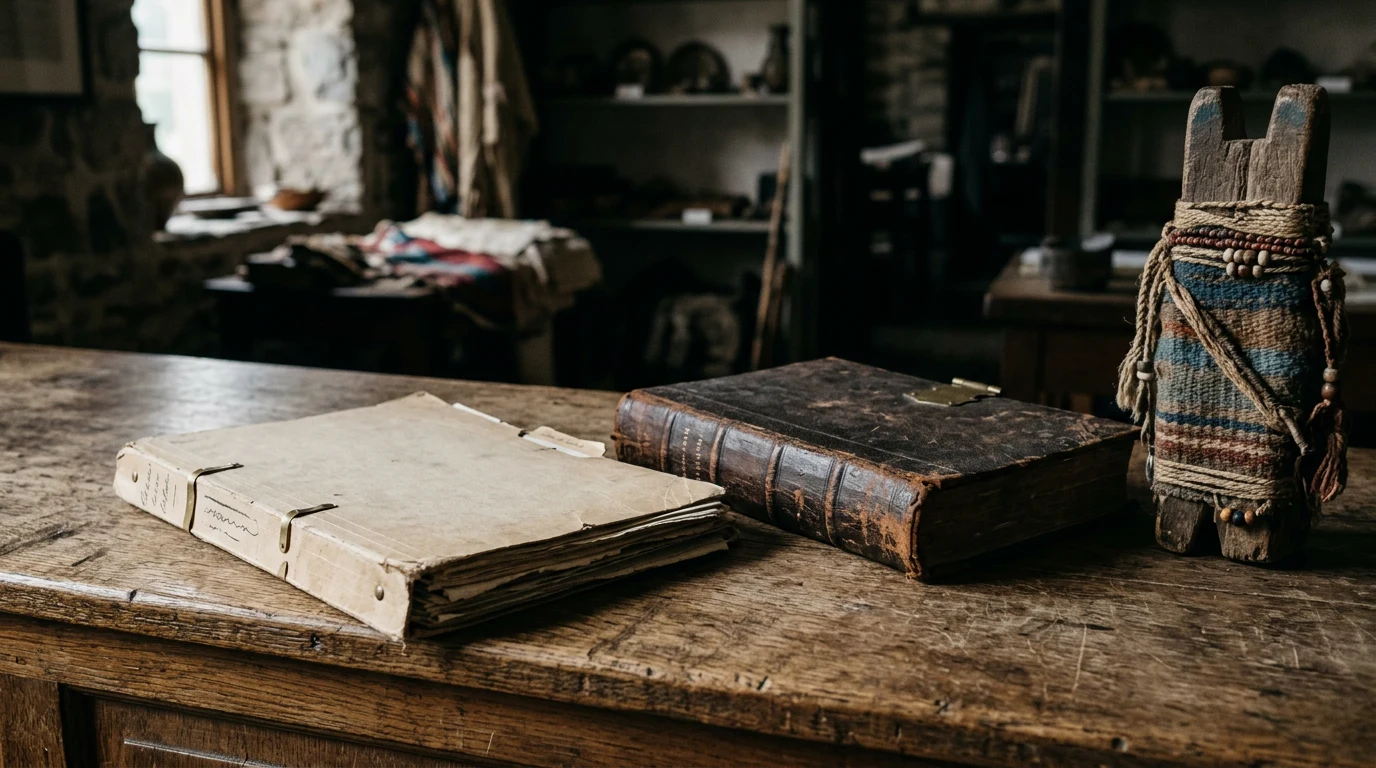
Inscription under the 2003 intangible heritage convention is a procedure, not a verdict — and the difference is visible on every banner that shortens it to one word.
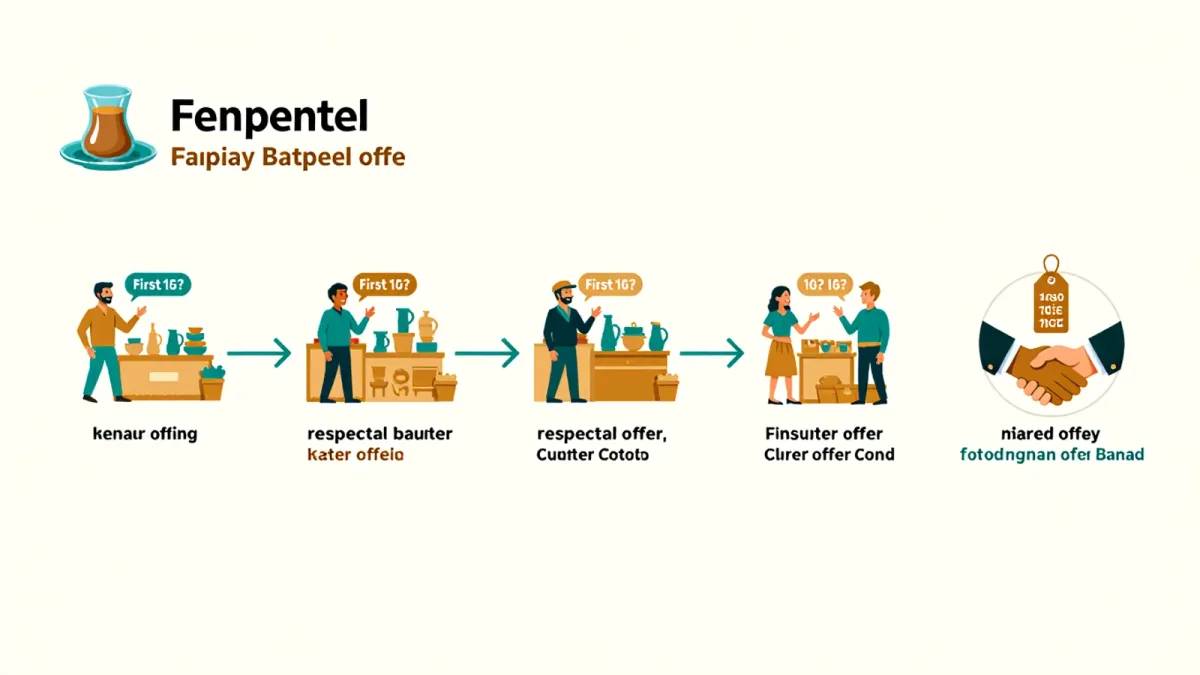
Istanbul's Grand Bazaar, trading under roofs since construction began around 1455, runs on a bargaining culture that looks like haggling and functions like courtship, with rules a traveler can learn in one morning.
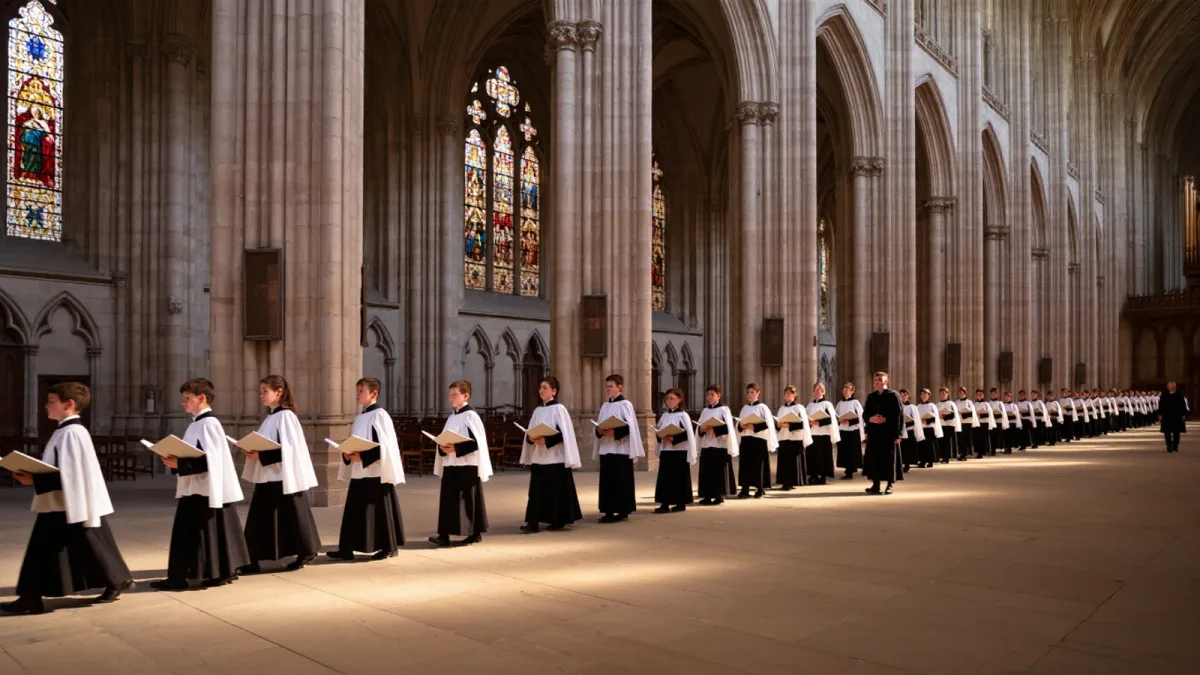
England's cathedral choristers still sing the daily offices in stone buildings raised for that purpose, a working tradition of child professionalism whose best-known hour, the Festival of Nine Lessons and Carols, has been broadcast since 1928.
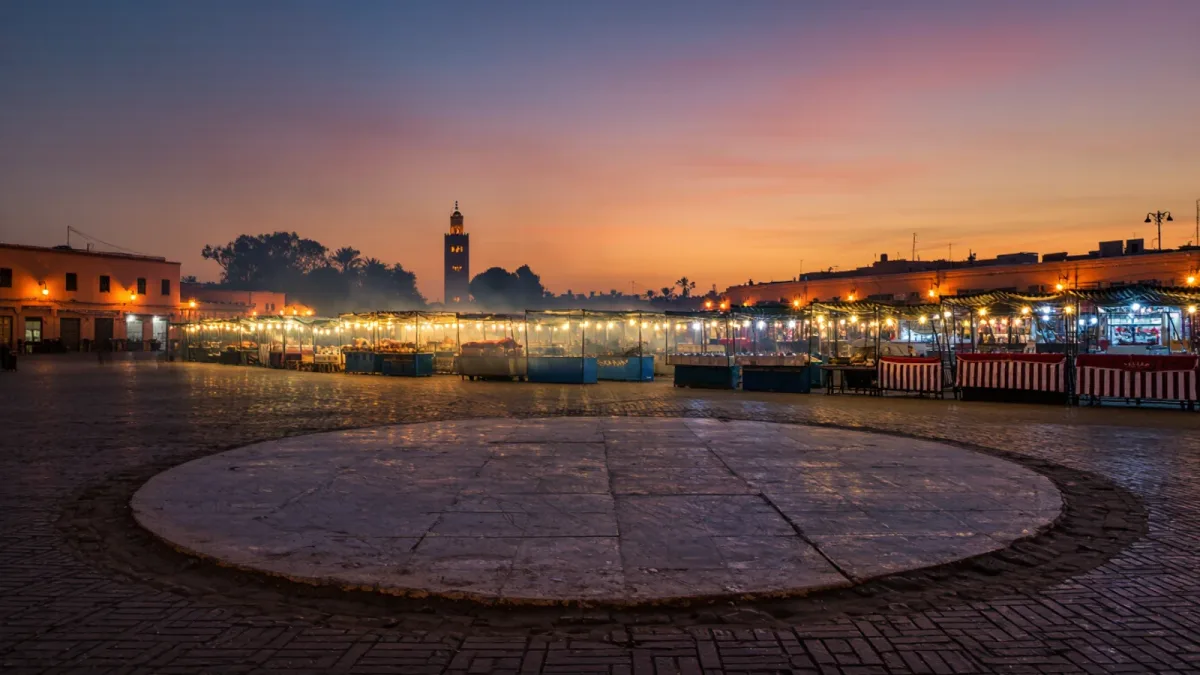
Jemaa el-Fna's halqa, the audience circle that forms around a storyteller in the dusk, is the most public oral tradition in the Arab world, recognized internationally in 2001 and still performed nightly on the square's crowded paving.

Venice moved its glassmaking to Murano in 1291 to spare the city from fire, and seven centuries of guild rules, family dynasties, and exported secrets made the small island the longest continuous glass workshop on earth.