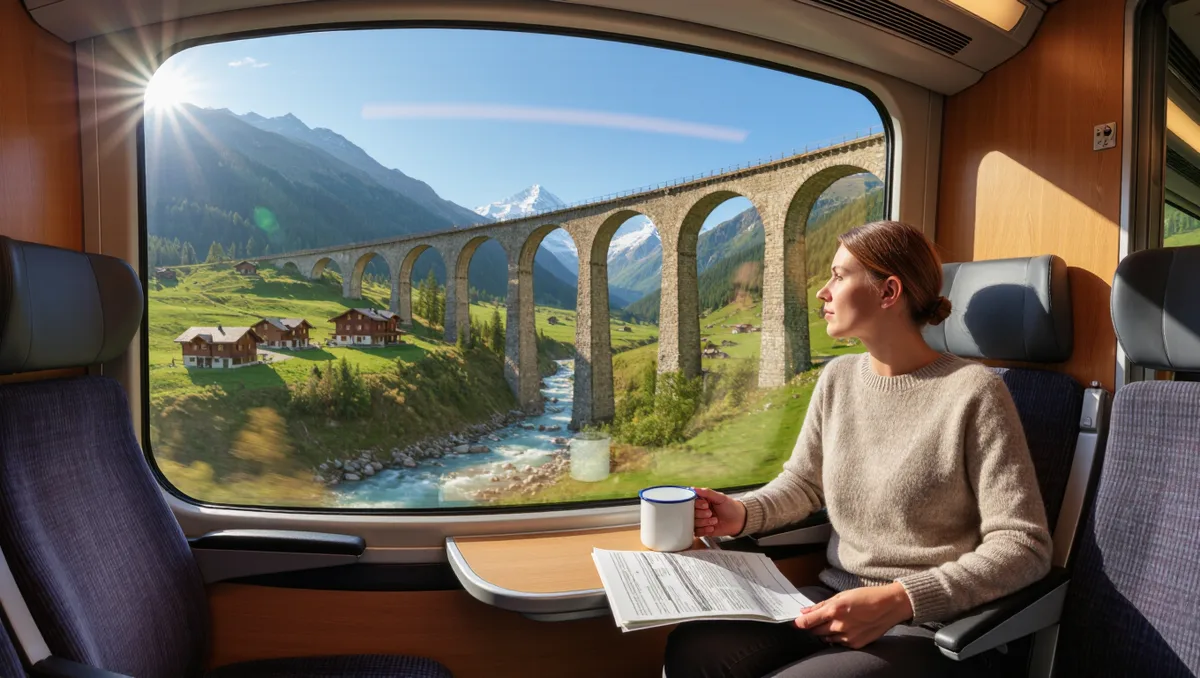
Slow travel through Europe by rail, corridor by corridor
Some train journeys are transport. Others are the reason you bought the ticket. A ranking of the rails where the window earns its keep.
Some train journeys are transport. Others are the reason you bought the ticket. A ranking of the rails where the window earns its keep.
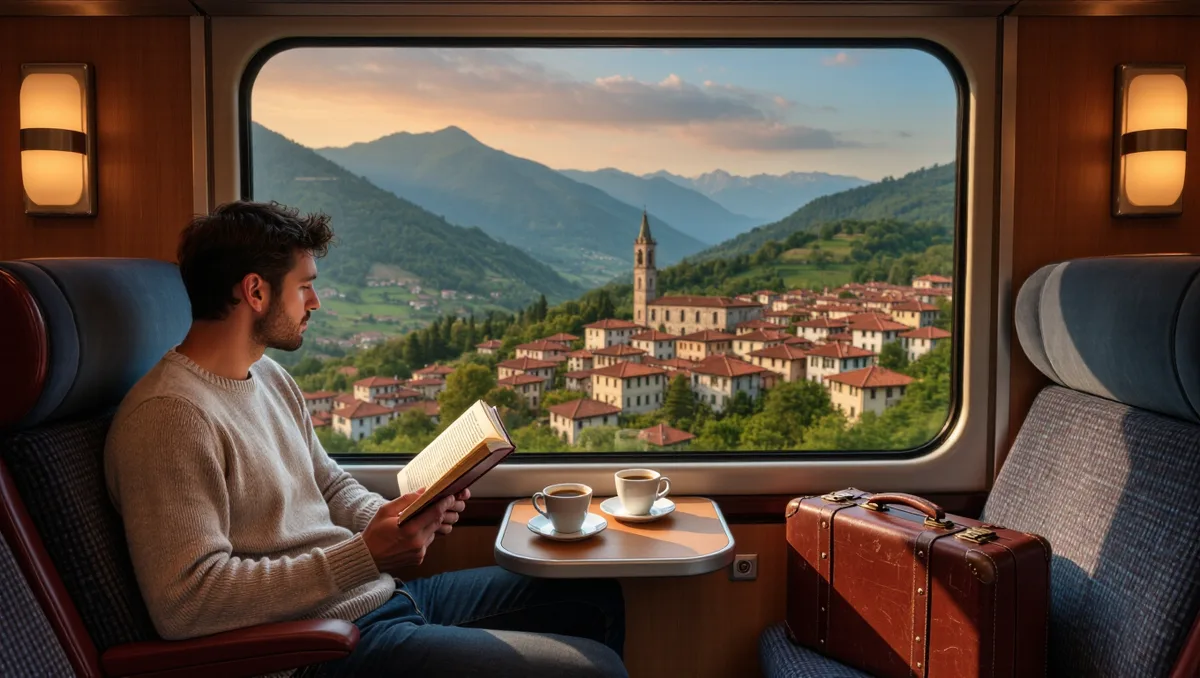
Fiction can move a reader further than a boarding pass, and the trip costs nothing but attention.

The journey out gets the guidebooks, the films, the itineraries. The journey back gets a delayed gate and a quiet apartment — and it may be the more honest story.
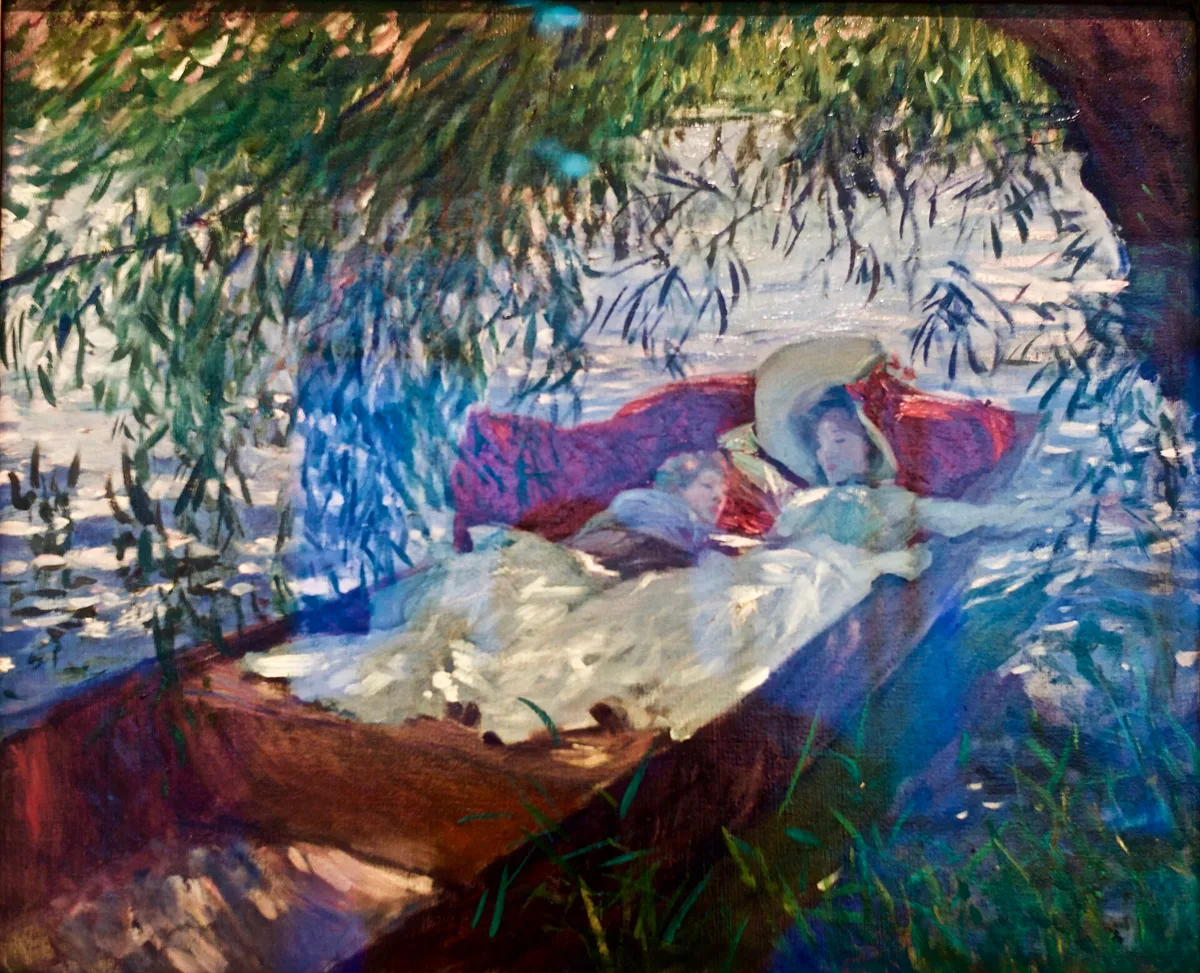
What a journey can do on a page, and what it cannot.
Four centuries before the travel blog, a French magistrate wrote about a journey by admitting how little he knew.
A quiet method for vetting the people who will hold your week: reviews, refund terms, and the questions that reveal how a company behaves when something goes wrong.
The soft drinks a place grows up with say more about it than most guidebooks manage.
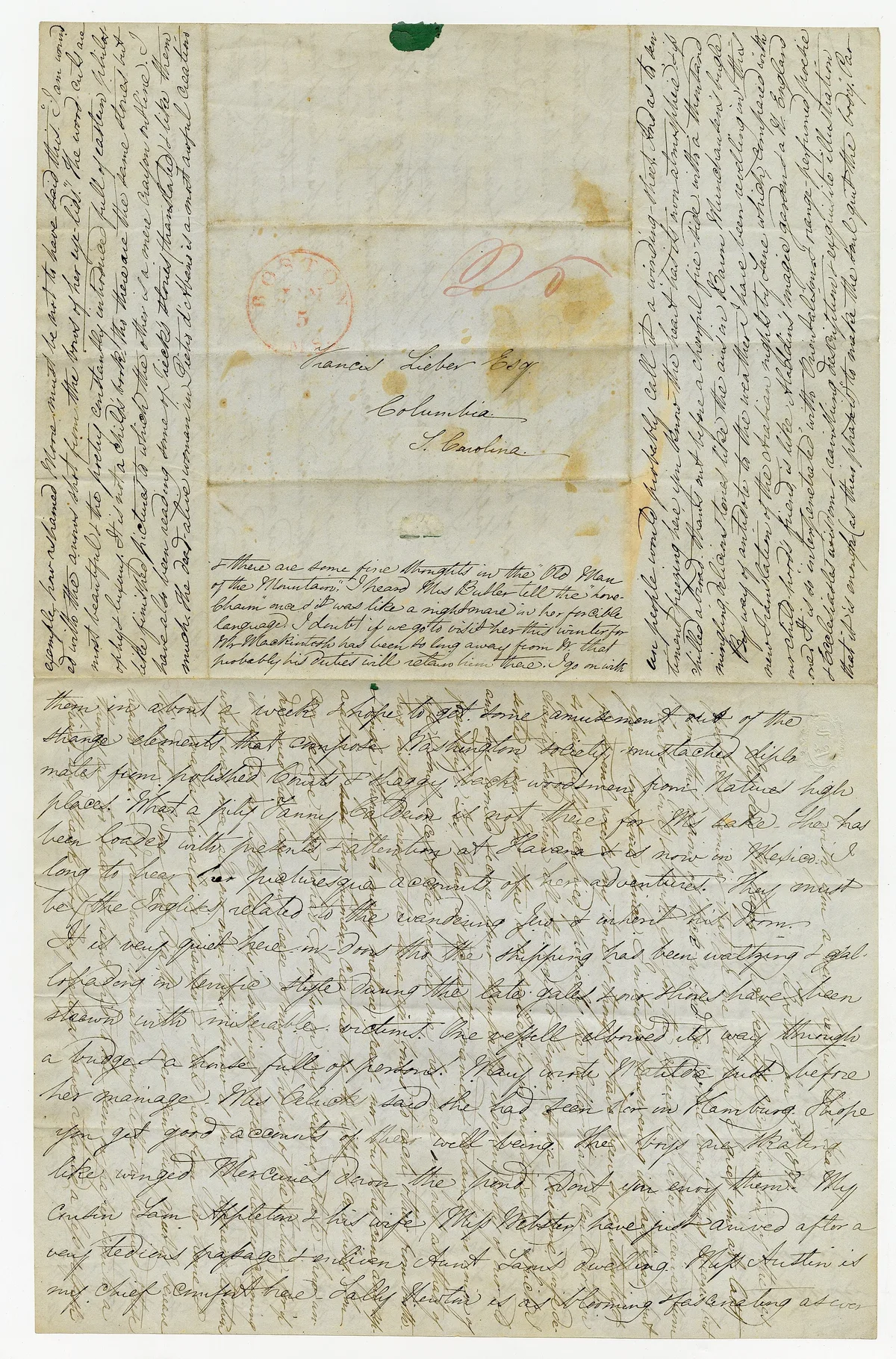
Some words refuse to cross borders. A traveler's essay on lexical gaps, untranslatable feelings, and what languages keep that English never named.

The emotional arc of settling into a new place is more predictable than travelers expect, and knowing it changes how the hard middle feels.

Some bands outgrow their decade and become portable — a sound a traveler can carry from a Lisbon bar to a Hanoi rooftop.

Inscription under the 2003 intangible heritage convention is a procedure, not a verdict — and the difference is visible on every banner that shortens it to one word.
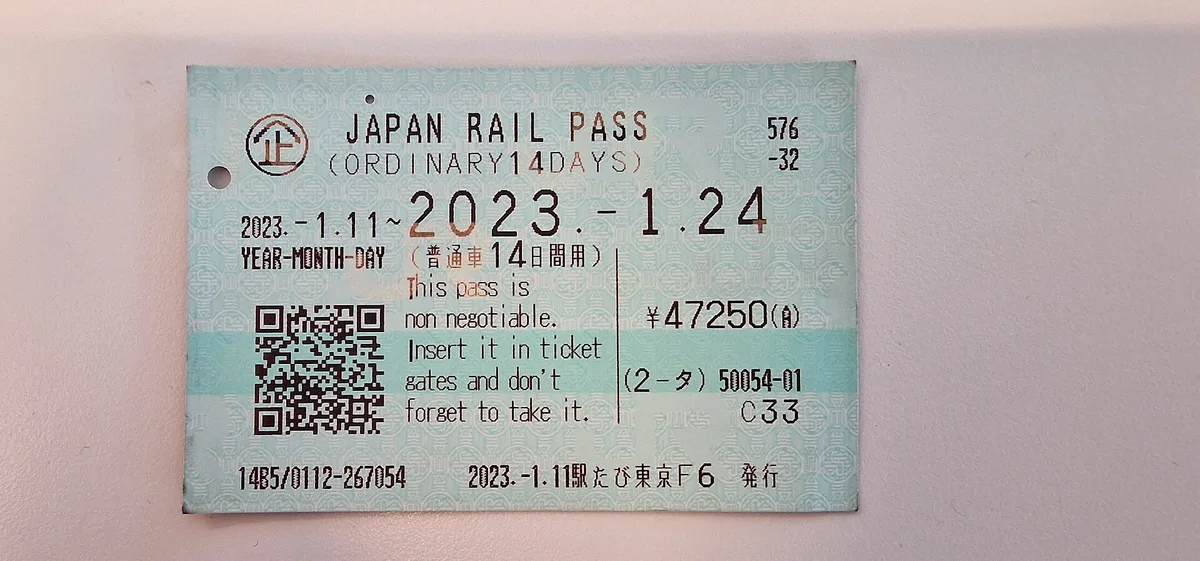
A rail pass buys spontaneity and coverage, but supplements and excluded trains decide the math. When a rail pass saves you money, and when it doesn't.
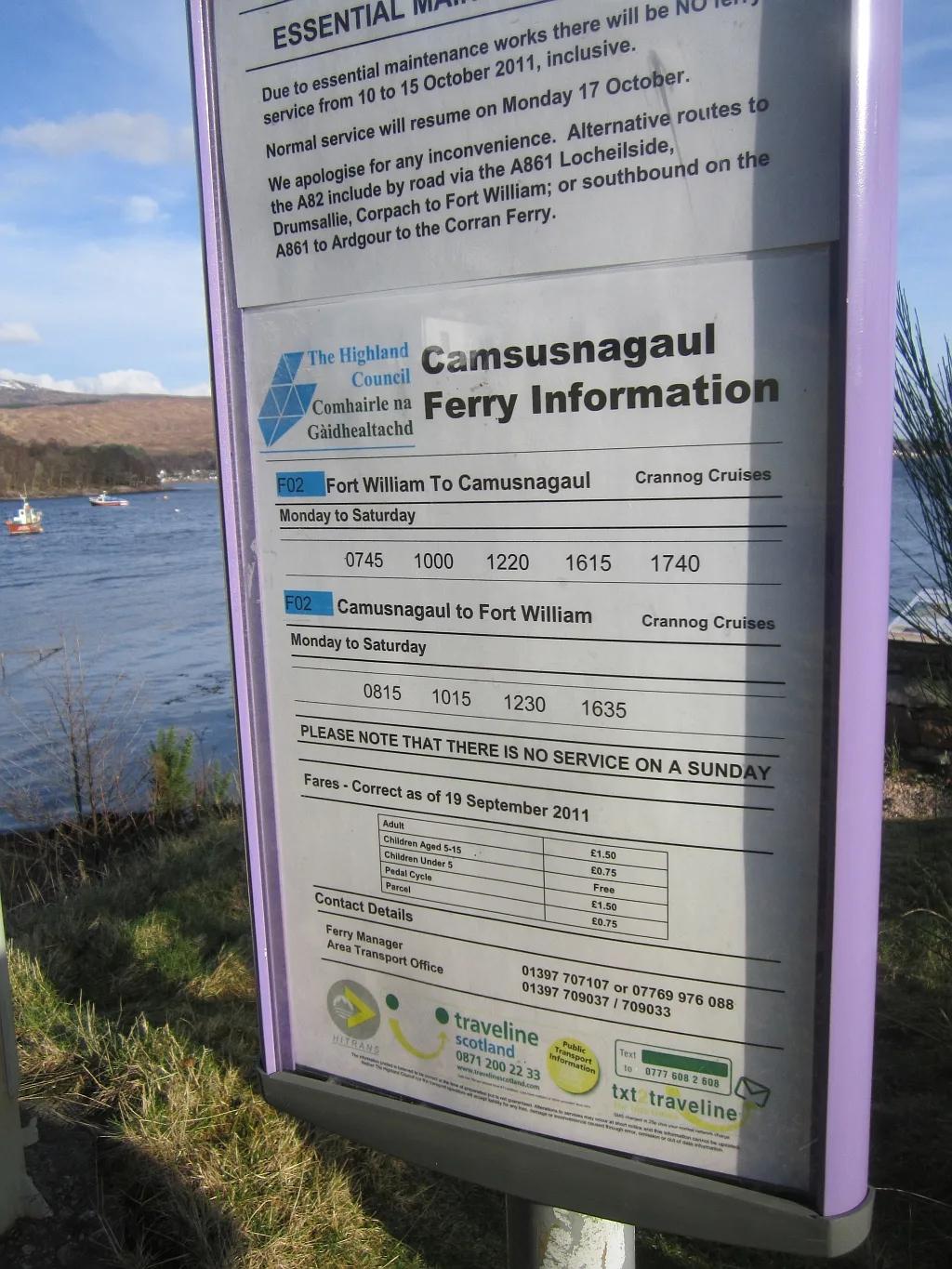
A ferry timetable is not a promise, it is a rhythm. How to read it like a local: patterns over times, weather over plans, the last sailing always circled.

After the working years, the calendar stops being the enemy. Here is how retired travelers can pace a trip, rent for a month or more, and budget for a season abroad.

Anonymous story viewers turned a public performance into a private one, and something in the old etiquette of travel watching quietly changed.

A list can tell you where to go. Only a narrative can tell you what happened there, and why it mattered.

The video essay has become the armchair traveler's window — and the reasons we keep looking are older than the format.
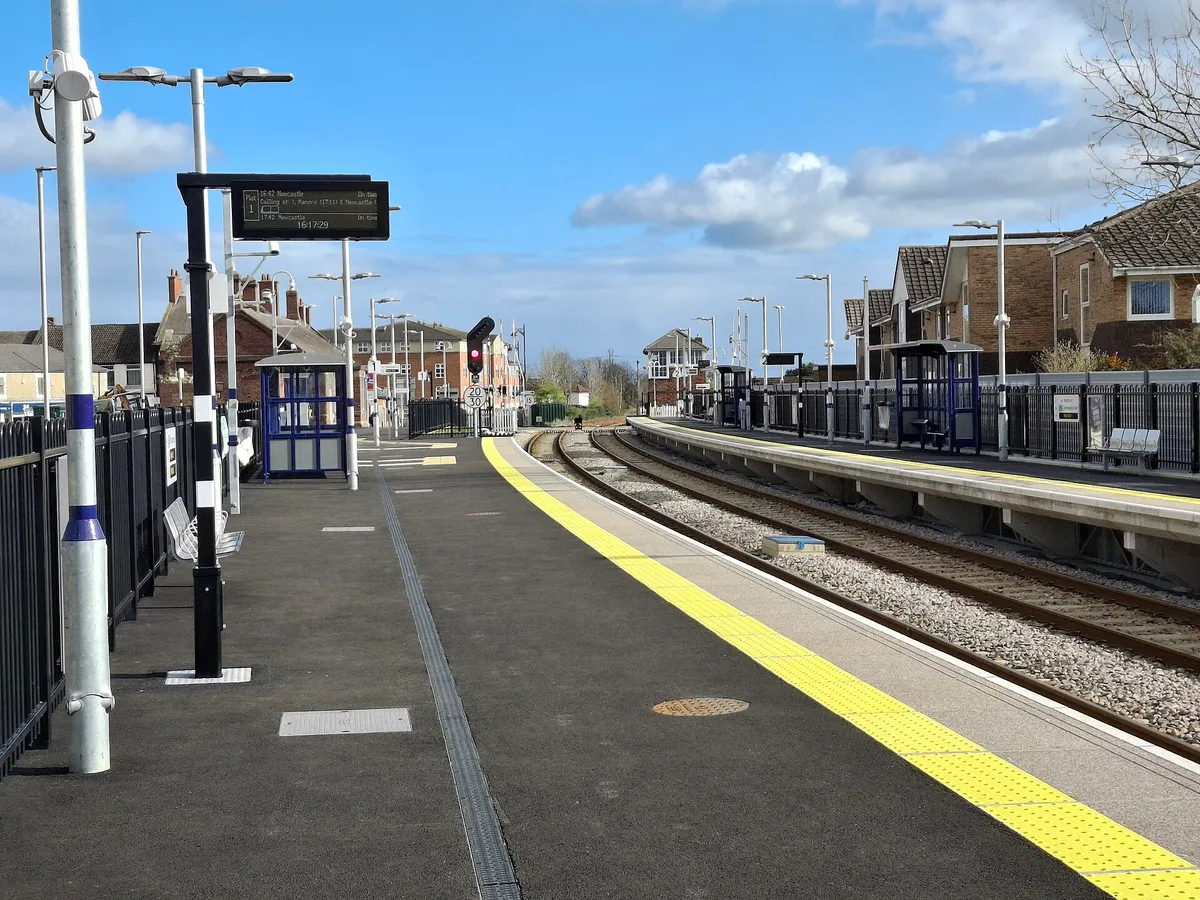
A reopened railway looks like a simple win for travelers, but the changes run deeper. Here is what a new or restored rail link really alters for anyone planning a slow journey.

A book can carry a reader further than a boarding pass, and it asks nothing at the border.
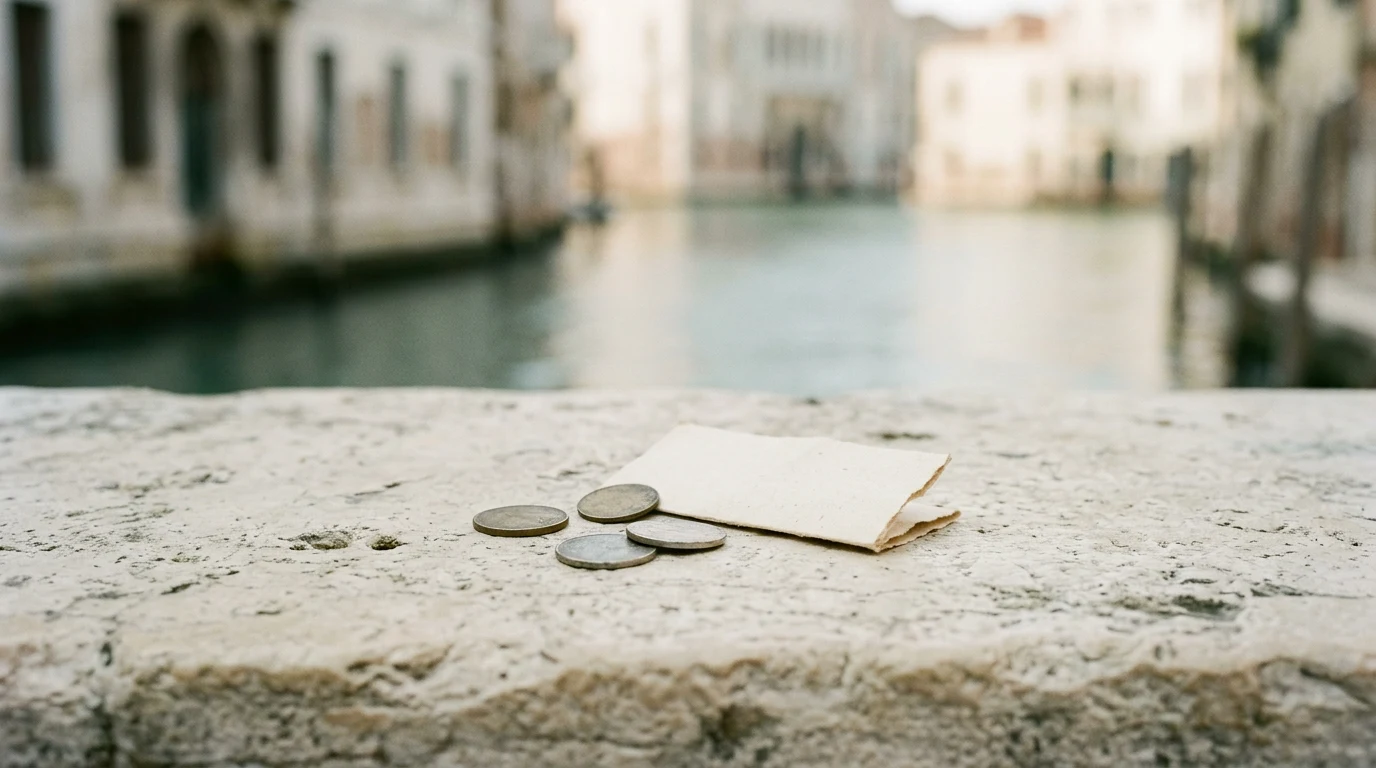
Venice's €5 day-visitor fee ran on 29 peak days in spring 2024 — the first city in the world to charge entry — and the pilot's real result was data about who the crowds actually are.