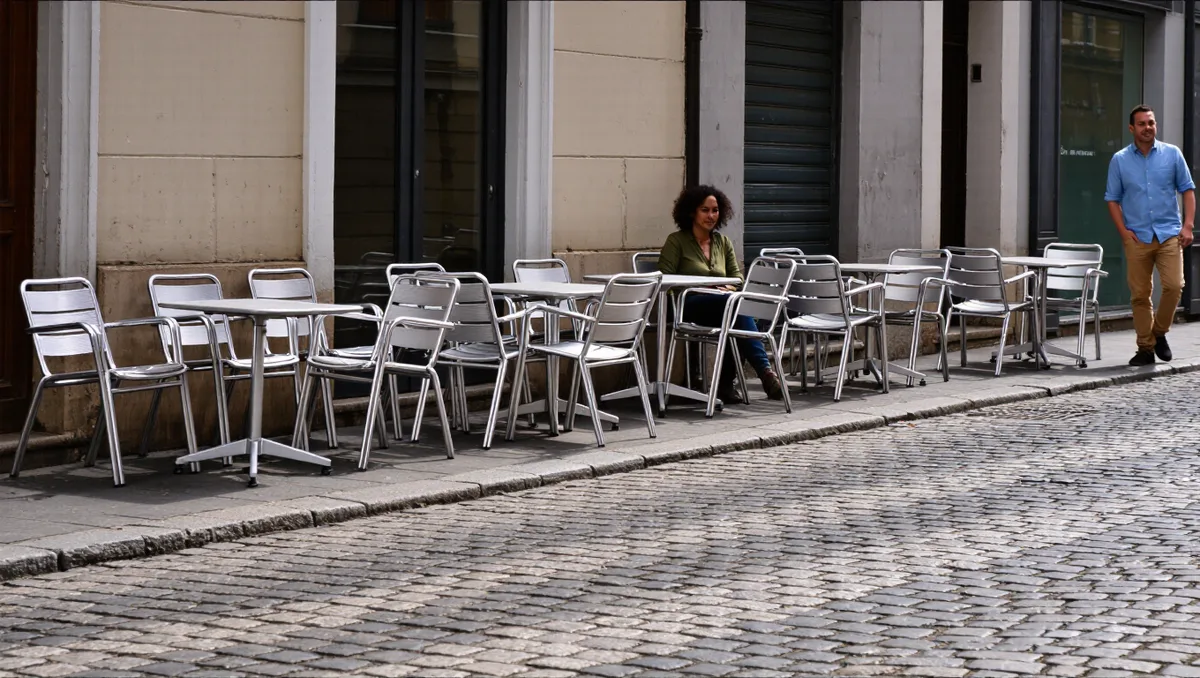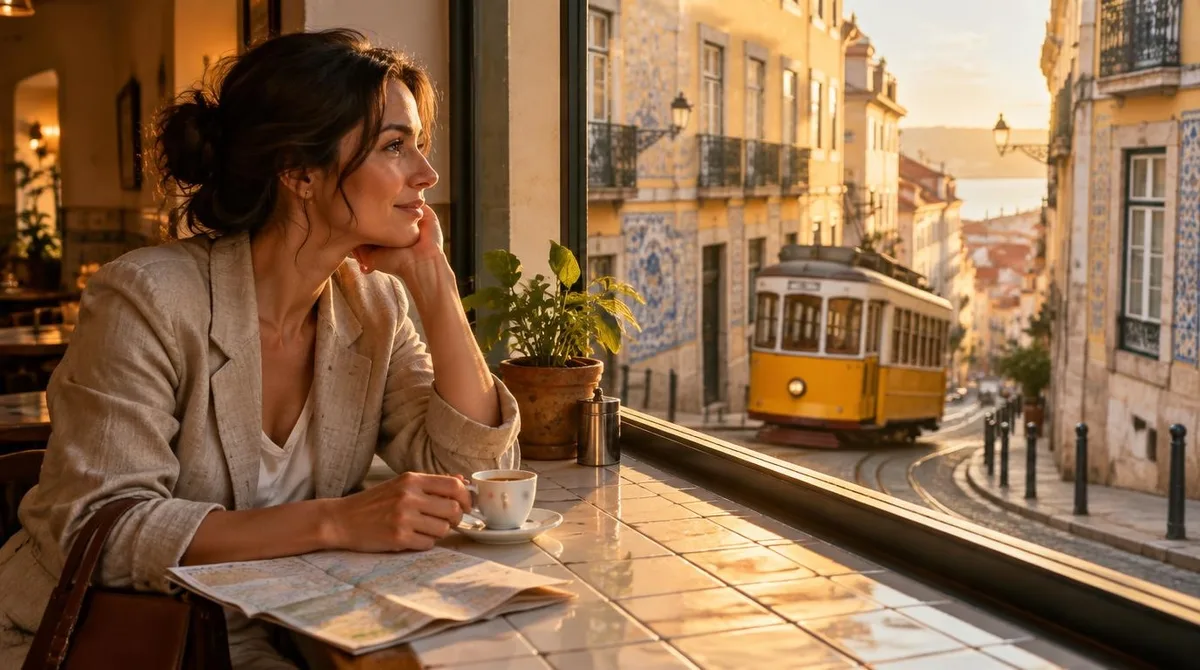
The best solo travel destinations are not the ones with the loudest reputations. They are the places where moving alone stops feeling like an exception: where a single person can walk into a café, order without ceremony, and spend an afternoon exactly as they please. Walkability, honest transit, a culture where people eat alone without comment — these traits matter more than any single city name on a list.
There is a reason the question of where to go alone is really a question about how it feels to be alone in public. As one Her Campus essay from The New School chapter puts it, there is a kind of freedom in having no one to keep up with — changing plans halfway through the afternoon, lingering over a painting, eating when and where you want. The right destination protects that freedom instead of making it conspicuous.
What actually makes a place good for going alone?
Strip away the rankings and a solo-friendly destination tends to share a few plain traits. It is easy to navigate without a car, so you are not dependent on a companion with a license. It has a public life that happens outdoors — markets, promenades, cafés with counter seating — so a person alone is part of the scenery rather than a curiosity. And it offers enough small, low-stakes interactions, from a baker to a ticket clerk, that a day alone is never a day without conversation.
The opposite also holds. A place built around group tours, resort compounds, or long drives between sights quietly punishes the traveler with no one to split the cost or the driving. Solo travelers often discover this the hard way, which is why the shape of a place matters more than its fame.
Why does eating alone feel different from exploring alone?
According to the Her Campus essay, the difference comes down to visibility. A museum visit alone reads as intentional; your attention belongs to the art. A restaurant table for one can feel more exposed, because you are sitting still, often facing an empty chair, and unusually aware of how you might be perceived. The writer's point is sharp: the uncomfortable part is not the absence of company but the possibility that someone else will interpret that absence as something missing.
This is precisely where destinations differ, and it is a better test than any guidebook star rating. In cities where counter service, market stalls, and small tables are normal, a solo diner disappears into the room. Where dining is a strictly social event, the same meal becomes a small performance. Travelers who dread the empty chair can simply weight their choices toward the first kind of place — and many of the world's most rewarding food cultures, those organized around counters and shared communal tables, happen to be the easiest to enjoy alone.
What this means for choosing where to go
Our analysis of what solo travelers consistently respond to comes down to three filters, applied before any booking.
- Navigation. Can you reach the things you came for on foot or by simple public transport? Every trip you do not need to drive is a decision you do not need to negotiate with yourself.
- Public solo life. Do people in this place read, drink coffee, and eat alone as a matter of course? If locals do it, you will not be stared at for it.
- Optional company. The best solo trips are not solitary confinement. Day tours, cooking classes, walking groups, and hostel common rooms let you choose company when you want it and return to quiet when you do not.
A destination that passes all three filters turns solitude from a condition into a method. You move at your own pace, and the trip bends around your curiosity rather than a companion's patience.
How do you keep solitude from tipping into loneliness?
The same essay that celebrates going alone is honest that not every hour of it is easy, and that some activities genuinely benefit from company — a late-night taxi ride, for instance, can feel safer shared. The practical answer is rhythm. Build the trip so that solitary stretches alternate with structured ones: a morning alone in a museum, an afternoon walking tour, an evening at a counter where the cook talks to you because that is what counters are for.
Slow travel suits this rhythm well. Staying longer in fewer places means you stop being a stranger; the barista starts recognizing your order, and the city starts offering the small acknowledgments that make solitude feel chosen rather than endured. Our guide to slow travel follows the same logic: depth over distance, and a week measured in the same streets rather than a checklist of cities. Readers following this should also see Story travel dolomiti — Dolomites without the rush: a week measured in the same trail.
Where does the story actually come from?
Going alone changes what a trip produces. Without a companion, the people of a place move to the foreground: the innkeeper, the ferryman, the stranger who shares a table for the length of a meal. Much of the reporting on this site exists because one traveler was alone enough to notice — the honor-system honesty of Norway's mountain huts, or the volunteers who keep the Camino's shelters open, both of which are encounters a traveler meets one on one. This connects to our earlier piece, How Norway's mountain huts still run on a stranger's honesty.
That is the quiet argument for choosing destinations this way. The best solo travel destinations are the ones where going alone becomes the story — where the freedom to linger, change plans, and sit quietly at a table for one turns into the very encounters a group would have talked over. The list of qualifying places is long and personal. The filters, at least, are few.