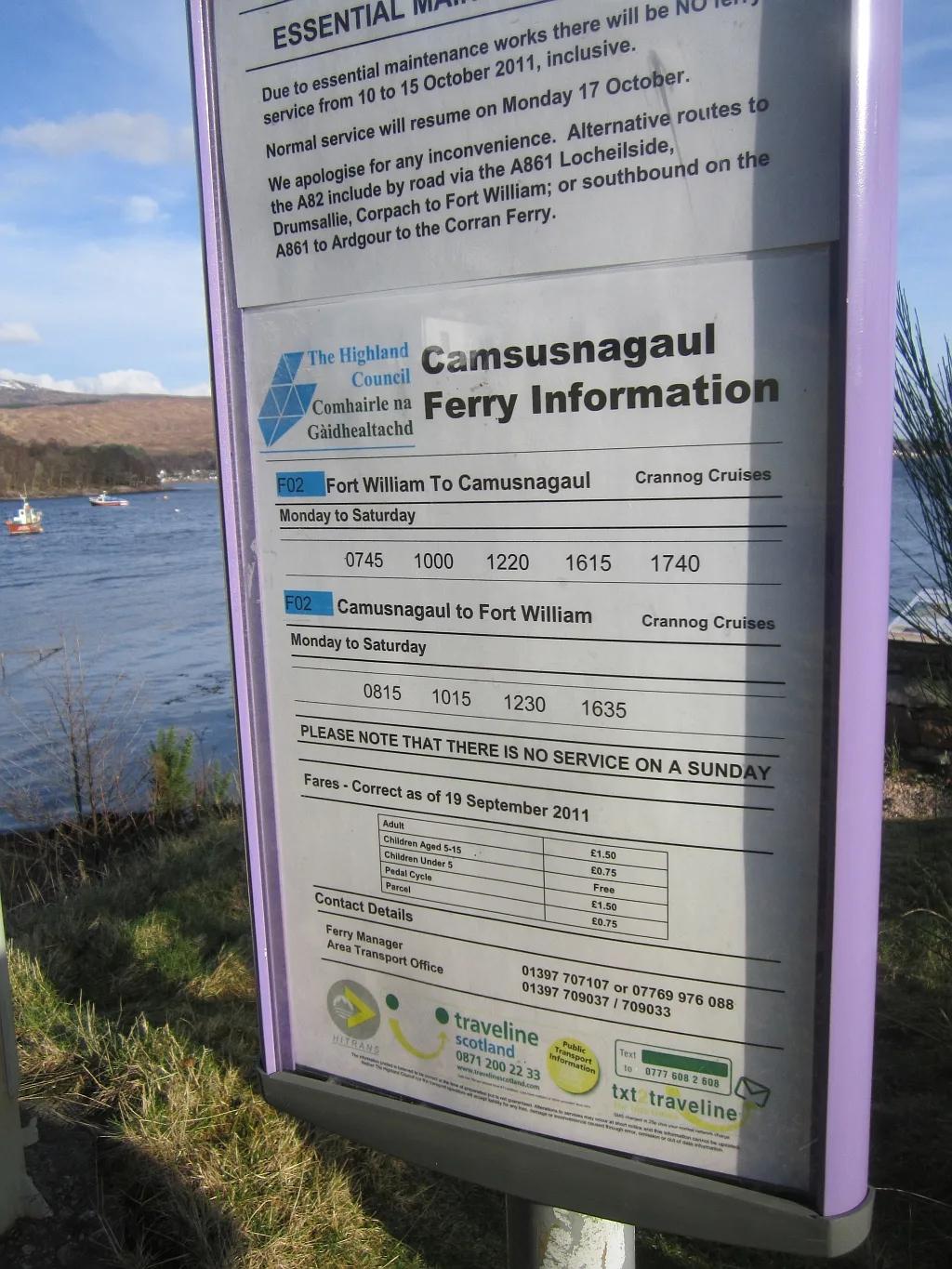
The first thing a local knows about a ferry timetable is that it is not a promise. It is a rhythm. Trains promise. Buses insist. Ferries suggest. Once you read that rhythm, a coast or an island chain opens up, and the slowest legs of a trip become the ones you remember.
Ferries deserve more respect than they get. A ferry is a boat or ship that carries passengers, and sometimes vehicles and cargo, across a body of water. In many waterside cities and on many islands, they are simply public transport, as ordinary as a tram, according to Wikipedia's article on ferries. They connect points at far lower cost than building bridges or tunnels.
First, know what kind of ferry you are reading
Timetables make sense once you know the animal. A small passenger ferry with many stops, like the boats in Venice, is sometimes called a water taxi or a water bus. That name is your clue. You are reading a bus route that happens to float: frequent stops, short hops, and rules closer to a city ticket than a cruise.
Other ferries are ships. Long crossings, such as routes over the Baltic Sea, are also ferry services, and many of those carry vehicles. Their timetables look more like airports. Fewer sailings, longer gaps, and check-in times that actually matter.
Read the pattern, not just the times
Locals rarely memorize departures. They read the shape of the day. Look for the working rhythm: the morning cluster, the midday gap, the last usable sailing home. Your real timetable is the one between the lines.
Then find the crossings that behave like streets. Istanbul's ferry route between Uskudar and Kabatas traces back to 1871, when the world's first car ferry, the Suhulet, entered service there. Modern ferries still work that same route today, per the article. When a crossing has run that long, the timetable is a habit, not a stunt. You can plan a life around it, and locals do.
Respect the water, budget the daylight
Sea and river timetables bend to weather in a way road schedules rarely do. A gap in the afternoon may be tide, season, or simple honesty about the conditions. Leave slack in your plan, and never stack a tight connection on the water when land would do.
The reward for that patience can be startling. On one Indian route, the ferry between Ghogha and Dahej replaces about 360 kilometres of roadway with a 31-kilometre crossing, per the same article. That is not a scenic detour. That is the fastest road on the map, disguised as the slowest.
Think like the place, move like the current
Slow travel works when you stop fighting the timetable and start reading it as a local document. In Bangladesh, river ferries called launches are ordinary life. Roughly 200 of them run across 107 water routes, per Wikipedia, linking the capital with towns and districts along the rivers. Nobody there calls that adventure. They call it Tuesday. For related coverage, see How to plan a slow travel trip, step by step.
So study the board the night before. Circle the last sailing. Watch which departures the workers take and which ones the luggage takes. Then choose the slow one, on purpose, with a window seat. We covered a connected angle in Slow travel with children works better than fast travel, and the reasons are structural.
Conclusion: The timetable is a tide chart
A ferry timetable read like a local is less a list of times than a description of a place's heartbeat. It tells you where people sleep, where they trade, and how the water shapes the day. Read the rhythm, respect the weather, and let the slowest crossing of your trip do what fast connections never can. It gives you back the feeling of distance, honestly measured.