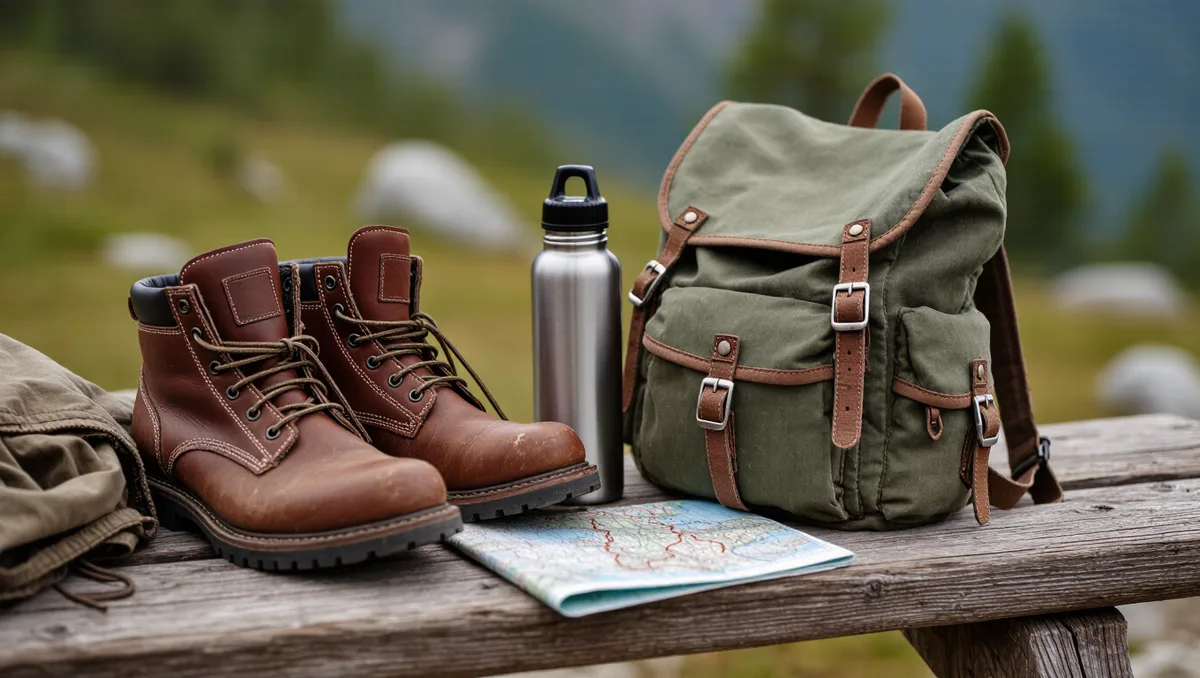
Retirement changes the one thing every working trip was short of: time. Slow travel in retirement means using that surplus deliberately — staying weeks instead of days, renting by the month instead of booking by the night, and letting a place set the pace instead of a spreadsheet. The trade is simple. You give up the checklist and gain a routine: the same market on Saturday, the same café table, the same walk home in the evening light.
It is also, structurally, the cheaper way to travel. Fewer transport days, monthly rents, and cooking at home most nights mean a long stay can cost less per day than a fast vacation — the arithmetic behind the monthly math that makes slow travel cheaper than a vacation. What follows is how to plan the pacing, the lodging, and the money when nobody is counting your vacation days anymore.
Dictionary.com defines slow tourism as leisurely exploring a place, soaking in the surrounding nature, and savoring local encounters — an approach built on quality and time for reflection rather than speed (Dictionary.com). That definition maps almost perfectly onto what retirement already offers: an unhurried interval, and no boss waiting for you to come back.
How many places should a retired traveler visit in a month?
One, in most cases, or two at the outside. The working traveler hops because the calendar forces it; you are free to stop hopping. A useful rule of thumb: plan one base per month, and treat anything shorter than a week as a transit day, not a destination. If you want the full method broken down week by week, the site's guide to the month-in-one-city method shows how the first week is for orientation, the middle weeks for depth, and the last for the things you only discover once you know a place.
Pacing also has a physical dimension that matters more at 65 than it did at 35. Build in recovery days after long train or ferry rides, keep one anchor activity per day rather than three, and choose lodging near the things you will do most often so walking is the main transport. A slower itinerary is not a lesser one — it is the version you will actually finish.
What kind of lodging works best for a month or more?
Extended-stay apartments and monthly rentals beat hotels on almost every count for a long stay: a kitchen, a washing machine, and a rate that drops sharply once a host stops paying for nightly turnover. Book directly where you can, ask about discounts for stays of 28 days or more (many platforms price a full month below four weeks at nightly rates), and confirm before you pay that the rental has what a month actually requires — a real fridge, a desk or table, quiet at night, and a grocery store within a short walk.
Two alternatives deserve a look. House-sitting can trade rent for responsibility, but the trade is stricter than it looks — you are caring for someone's home and often their pets, on someone else's schedule, which our guide to house-sitting as a slow travel trade explains honestly. Work exchanges run on a similar exchange of time for lodging, though they suit travelers who want structure and company more than solitude.
How do you budget for months abroad on a fixed income?
Start from the monthly number, not the daily one. Add up rent, food, local transport, and connectivity for a typical month in your candidate destination, then add a buffer for the irregular costs — the visa run, the dentist, the gift you mail home. Because a fixed pension or withdrawal arrives on a schedule, a monthly framing keeps the trip honest in a way a per-day figure never does. Our breakdown of slow travel's monthly math walks through why longer stays bend every cost curve downward.
- Choose cost level before city. The same budget that strains in one capital is comfortable in a regional town an hour away. Picking the town, not the country, is the biggest single lever.
- Buy transport for the season, not the trip. A few long-distance tickets booked early cost less than many short ones booked late. Regional trains and ferries reward the traveler who stops counting — see why Europe's regional trains reward the traveler who stops counting.
- Cook most nights. A kitchen is the quiet engine of a long-trip budget. Eat out for lunch, cook dinner, and the food line stays sane.
- Keep a home-base cost running. Insurance, storage, mail forwarding, subscriptions — the bills that follow you. Budget for them as travel costs, because they are.
One caution worth its own line: healthcare. Before a long stay anywhere, confirm how your coverage works abroad and what an extended absence does to it. This is a question for your insurer and, where relevant, the destination's residency rules — not something any travel article, this one included, can settle for you.
What should you skip that the guidebooks insist on?
Skip the highlights reel. When time is abundant, the famous sights become optional rather than mandatory, and the trip improves for it. Skip the rental car in walkable cities. Skip day trips that promise four countries in one outing. And skip the pressure to justify the trip with productivity — you are not on a workation, and you do not owe anyone a blog.
What this means in practice: build the week around two or three repeated pleasures — a market, a swim, a language exchange — and let the sightseeing fill what remains. Travelers who want the underlying philosophy will find it in what slow travel really means, and why it works; those ready to start planning can use how to plan a slow travel trip, step by step.
Where slow travel in retirement goes from here
The evidence in this piece is definitional and structural rather than statistical, and that is fitting: the case for traveling slowly after retirement does not rest on a number. It rests on the fit between what retirement supplies — open time, a fixed income, a preference for depth — and what slow travel asks for. Merriam-Webster traces the word "slow" back more than four centuries, to an Old English root meaning deliberate and unhurried (Merriam-Webster); the practice is older still.
What remains unknown is personal: how long a stay suits you, which town fits your budget, whether a month of somewhere becomes a season. Those answers come only from trying it. Pick one place, give it a month, and let the departure board wait.