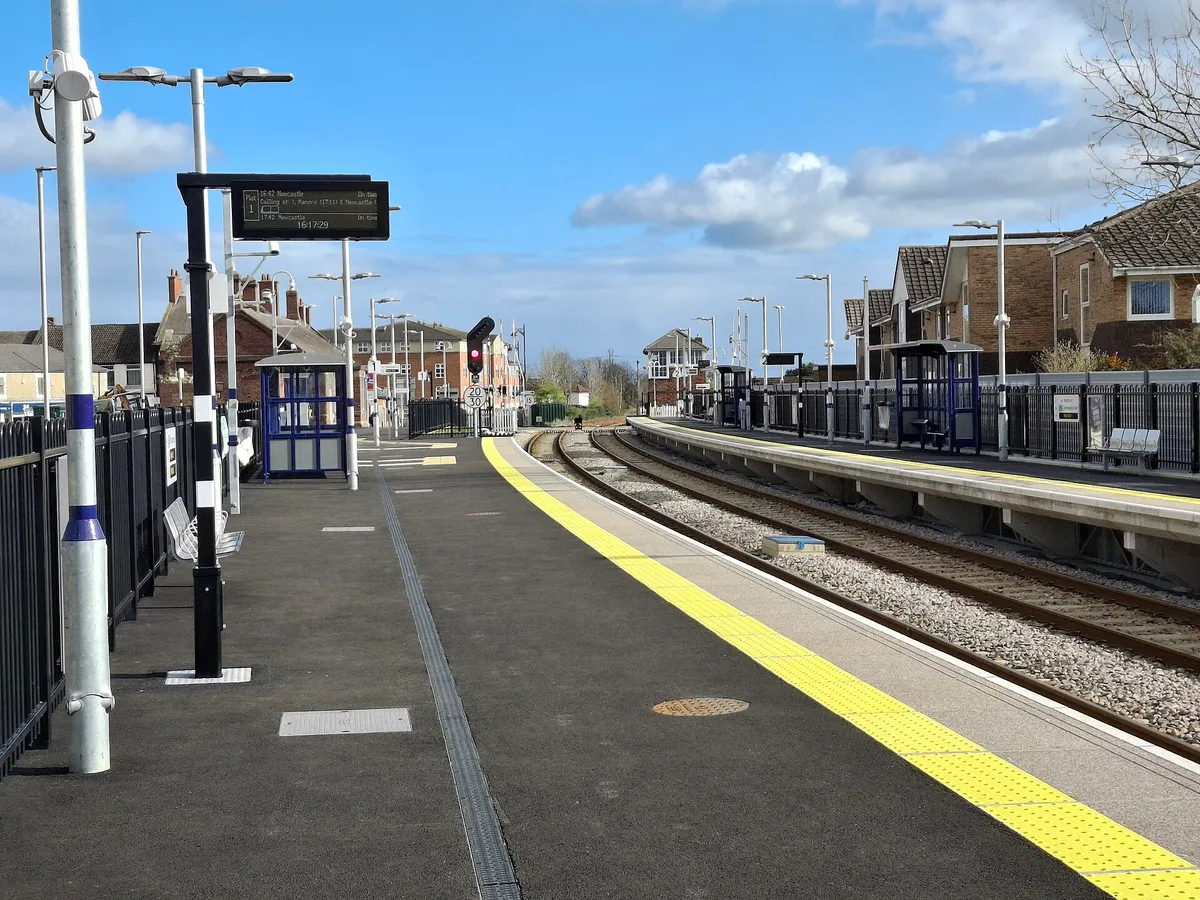
Few pieces of travel news carry as much quiet promise as a rail reopening. A line comes back to life, stations get staff again, and two places that once required a bus detour or a rental car sit an hour apart on the map. For the traveler who plans around trains, though, a reopening is never just one new route.
It changes connections, timetables, and the rhythm of a whole region. The trick is knowing which changes arrive on day one, and which ones take a year or two. Understanding what actually shifts helps you use the new line well, instead of simply swapping one ticket for another.
First, the Network Gains a Shortcut
A reopened line does not exist alone. European railways already form one of the densest networks in the world, with national systems that differ in gauge, electrification, and signaling. When a closed link returns, it stitches two parts of that network back together, and every journey between those parts gets shorter.
The shortcut matters most for through-travelers. Towns on the restored line gain direct services, but travelers passing through gain a new option for crossing the region without backtracking. Journeys that once made a wide loop on the map can suddenly run in a clean straight line.
Timetables Move Twice a Year
Here is the practical detail many travelers miss. Public transport timetables across Europe, including rail, are amended yearly, usually on the second Sunday of December and the second Sunday of June. A reopening becomes part of the network at one of these changeover dates, not the day the ribbon is cut.
That means the news announcement and the usable service can sit months apart. If you are planning a trip around a restored line, check whether your travel dates fall before or after the next timetable change, and confirm the new services actually appear in the booking system for your date. This connects to our earlier piece, What Europe's new border system counted in its first quarter.
Secondary Effects: Quieter Alternatives Come Back
Every reopened line also relieves pressure somewhere else. Travelers who once packed onto the main corridor spread out onto the new route, and coaches that duplicated the closed rail link often disappear or thin out. Regional services get reorganized around the new spine.
For a slow traveler this is the most interesting part. Stations that lost service years ago rejoin the network, and places that were bus-only become train towns again. Some of the best unhurried journeys come from riding a reopened regional line early, before guidebooks catch up and before demand fills the comfortable seats. Window seats come cheap on a line nobody has written about yet, and the stations are still a novelty to the towns they serve. For related coverage, see Three places joined the National Park Service's Reconstruction-era network in July.
What Does Not Change Overnight
A reopening does not instantly fix everything. Cross-border travel in Europe still faces differences in voltage, signaling, and operating rules, and a restored national line may connect to high-speed corridors only gradually. Rolling stock takes time to arrive, frequencies build up in steps, and early timetables are often cautious.
Plan for a service that may grow. Early timetables often run a few trains a day where the long-term plan promises many more, and rolling stock takes time to arrive. The line you ride in its first year may be slower or quieter than the one described a year later, so leave slack in your plans and enjoy the emptier trains while they last.
Conclusion: Ride It Early, Plan It Loose
A rail reopening hands the slow traveler three gifts: a shortcut through the network, a batch of newly reachable towns, and a corridor with room to breathe. But the real change arrives with the timetable change, not the ceremony. Watch those two dates a year, plan loosely, and a restored line can carry you through country that cars never show you at all.