The RNLI's lifeboat crews have launched to ships in trouble from Cornwall's coast since the institution was founded in 1824, and the crews are still overwhelmingly volunteers: fishermen, teachers, and builders with pagers on their belts.
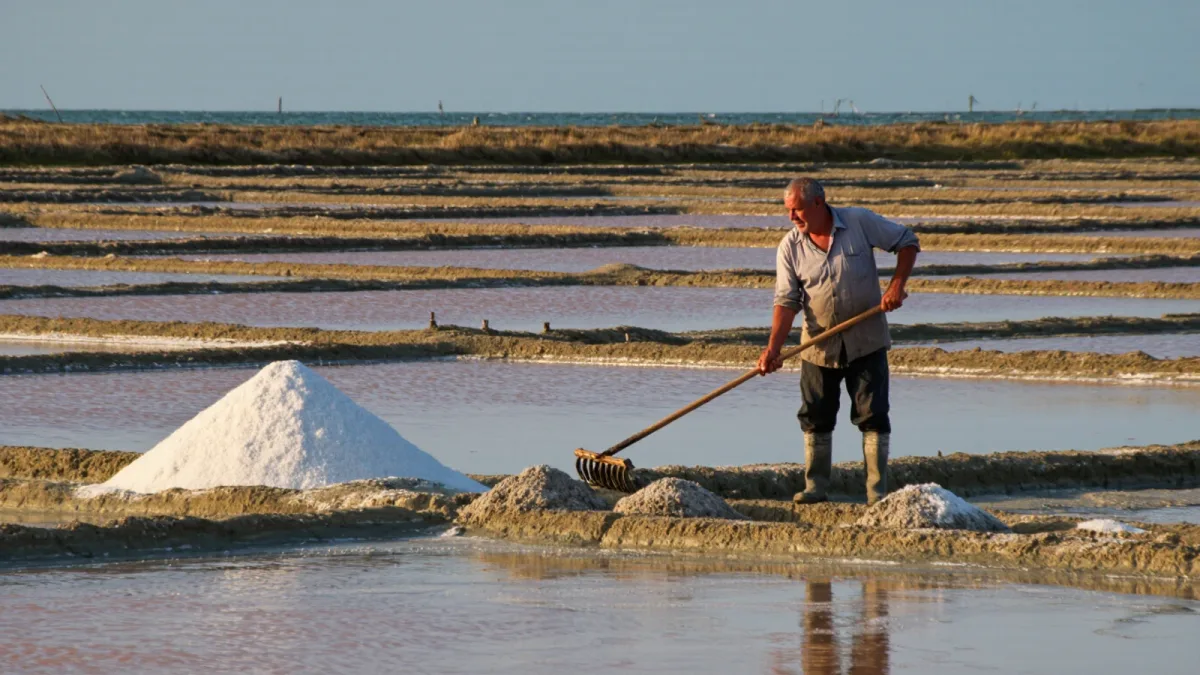
On the Guerande peninsula north of the Loire estuary, some four hundred paludiers harvest sea salt from clay basins laid out in the Middle Ages, in a cooperative trade whose rules would be recognizable to their medieval predecessors.
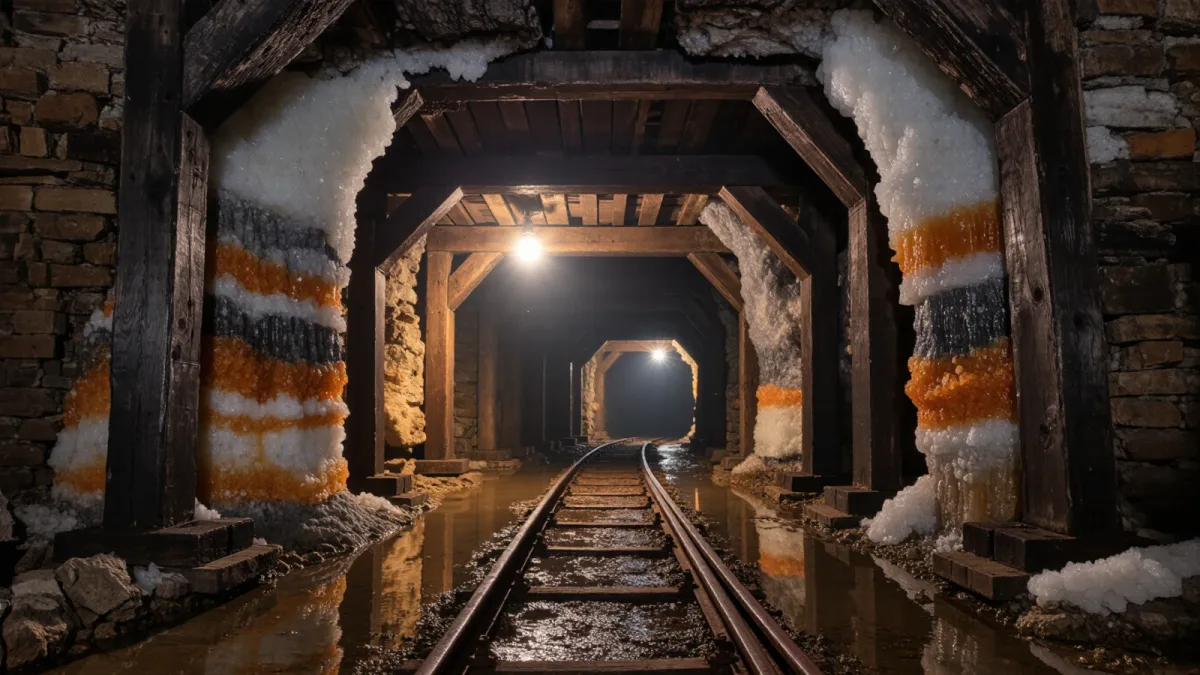
Salt has been mined above Hallstatt for some seven thousand years, the Iron Age that bears the village's name was financed by it, and a brine pipeline built in 1607 still runs the mountain's product to the works at Ebensee.
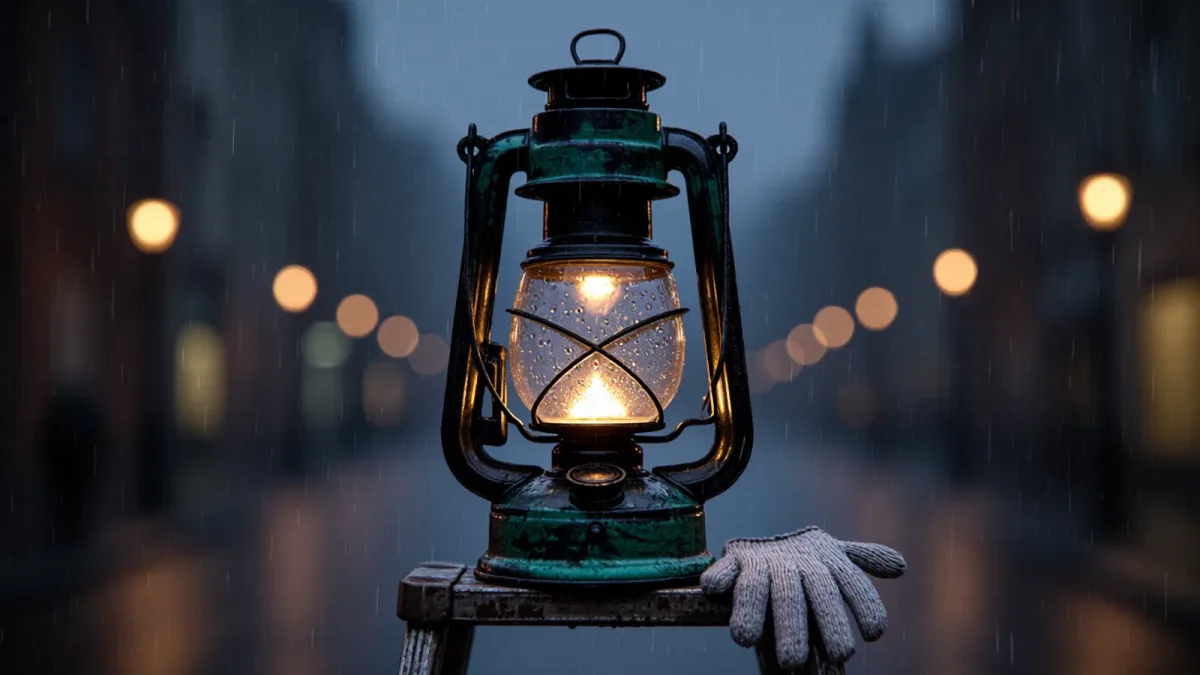
Roughly 1,500 gas lamps still burn in London, most of them in Westminster and the Royal Parks, and a small corps of employed lamplighters keeps the flames lit in a trade that once ran on whole families.
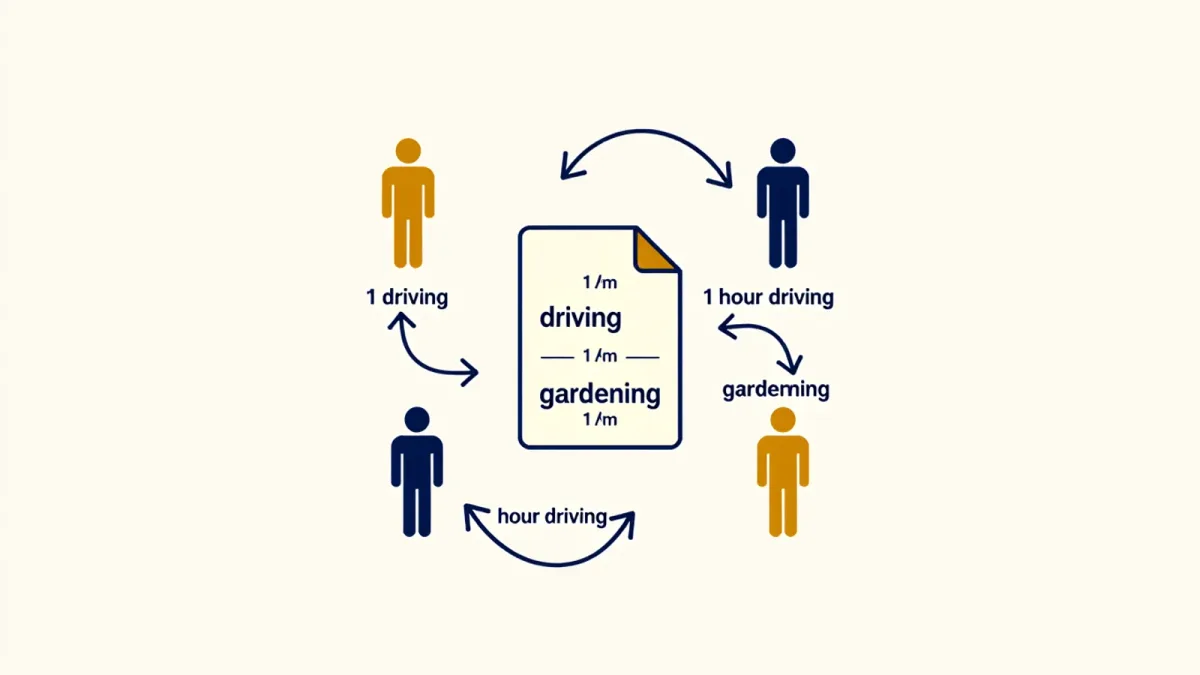
Time banks, the mutual-credit systems where an hour of help earns an hour of help, began as an American legal scholar's idea in the 1980s and now keep rural communities across Europe and Japan functioning.
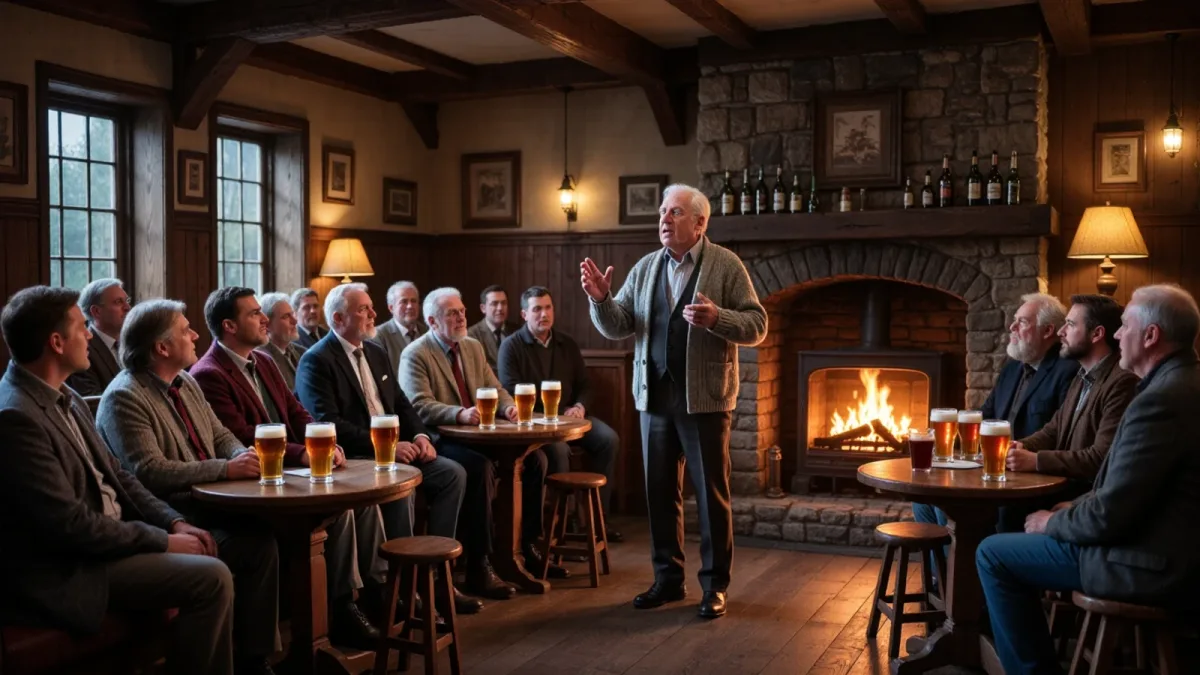
Ireland's storytelling pubs carry on the work of the seanchai, the traditional bearer of lore, in an unbroken line that runs from fireside houses through the folklore collections of the 1930s to the back rooms where a tale still earns its silence.